
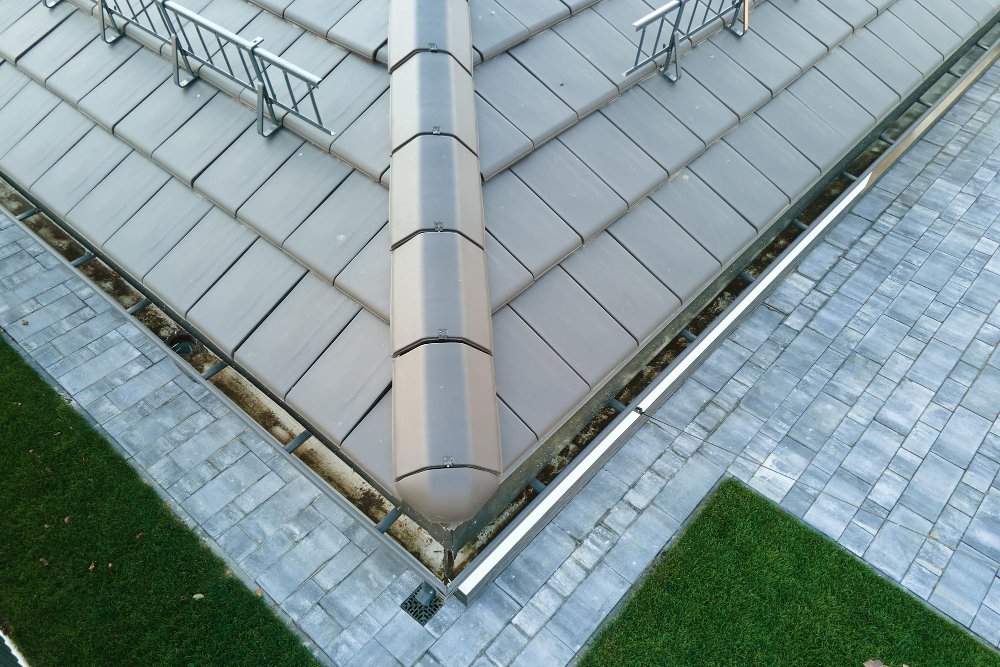
The smartest commercial property owners don’t ask, “What’s the cheapest roof?” They ask, “Which roofing system will still be protecting this building twenty years from now?”
“The strongest commercial roofs rarely earn attention because they simply continue performing exactly as they were designed to do.”
EDITOR’S NOTE
Today’s commercial roofing decisions should never be based solely on installation cost. Long-term durability, drainage performance, maintenance accessibility, and lifecycle value consistently deliver a stronger return on investment.
Beyond Flat—The Intelligence Behind Low-Slope Roof Design
Calling these systems “flat roofs” has always been somewhat misleading. Properly designed low-slope roofs are carefully engineered to encourage controlled water movement across the building surface. Even subtle variations in slope influence drainage efficiency, helping prevent ponding water that can shorten the lifespan of roofing materials. What appears simple from the ground becomes remarkably sophisticated when viewed up close. Beneath the finished membrane lies an integrated assembly of insulation, vapor management components, flashing, roof decking, edge metal, and structural support systems. Each layer performs a specific function, yet none operates independently. Success depends on how effectively every element works together. This systems-based approach explains why experienced roofing professionals spend considerable time evaluating existing conditions before recommending solutions. Drain locations, rooftop equipment, expansion joints, insulation thickness, and structural movement all influence how the finished roof will perform years after installation. Material selection plays an equally important role. Modern TPO membranes provide reflective energy performance. PVC offers exceptional resistance in demanding commercial environments. EPDM continues to demonstrate outstanding flexibility, while modified bitumen and built-up roofing remain trusted solutions where durability and rooftop traffic are primary concerns. The goal is never simply to install roofing materials. The objective is creating a complete weather-resistant system capable of adapting to decades of changing environmental conditions.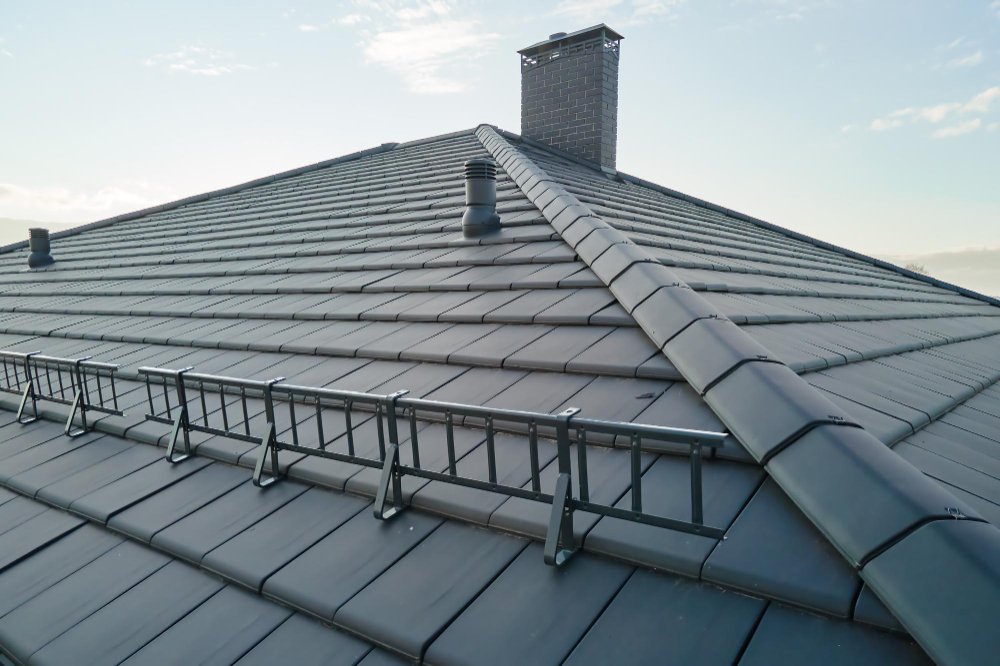
Why Performance Always Outlasts Price
One of the most persistent misconceptions in commercial construction is that roofing should be purchased primarily through competitive pricing. While budget always matters, experienced property owners understand that the least expensive proposal often represents only the beginning of the financial story. A commercial roof continues generating value long after installation has been completed. Better insulation contributes to lower energy consumption. Well-designed drainage minimizes water-related deterioration. Proper flashing installation reduces future repair requirements. High-quality workmanship extends service life while lowering maintenance costs over many years. Viewed through this broader perspective, lifecycle value becomes far more meaningful than initial installation cost alone.
HIGHLIGHT
Commercial roofing is one of the few building investments that protects virtually every other investment beneath it—from structural components and mechanical systems to inventory, technology, and the people who occupy the building every day.
Buildings rarely fail because of a single dramatic event. More often, they reflect years of thoughtful maintenance—or years without it.
The Details That Separate Ordinary Roofs from Exceptional Ones
Exceptional commercial roofs are rarely distinguished by the membrane visible from the parking lot. Their true quality lies in the details that most people never see. A carefully welded seam. A precisely installed flashing transition. A drainage system designed to move water efficiently after every storm. Properly integrated insulation that improves energy performance without compromising moisture control. These are the decisions that quietly determine whether a roof performs reliably for decades or begins requiring repairs far sooner than expected. Attention to detail also extends beyond installation. Commercial roofs evolve alongside the buildings they protect. New HVAC units are added, solar arrays become part of sustainability initiatives, communication equipment expands, and maintenance crews access rooftops more frequently. A thoughtfully designed roofing system anticipates these changes rather than struggling to accommodate them after the fact. That forward-thinking approach explains why experienced contractors evaluate the entire building envelope rather than focusing only on the roofing membrane. Water management, insulation continuity, edge protection, rooftop traffic patterns, and future serviceability all influence long-term performance. For organizations working with experienced commercial roof specialists, the conversation extends beyond today’s project. It becomes a strategy for protecting the property well into the future, reducing lifecycle costs while supporting uninterrupted business operations.Remarkable commercial roofing isn’t measured by how impressive it looks on completion day. It is measured by how quietly and consistently it protects the building through every season that follows.
EDITOR’S NOTE
One of the most valuable investments a property owner can make isn’t necessarily upgrading to a different roofing material—it’s ensuring the entire roofing system is designed, installed, and maintained as a unified assembly.
“The buildings that age most gracefully are rarely those built with the most expensive materials—they are the ones built with the greatest attention to detail.”
Building for the Next Twenty Years
Commercial properties are designed to support businesses that evolve over time. Companies expand, technologies change, tenants come and go, and operational demands continue to grow. Through all of these transitions, the roof remains one of the few building systems expected to perform continuously without interrupting daily operations. That expectation places tremendous value on thoughtful planning. A low-slope roofing system should never be viewed as a short-term solution or a routine maintenance expense. Instead, it should be recognized as one of the property’s most important long-term assets—one that protects employees, customers, equipment, inventory, and every investment housed within the structure. Regular inspections, preventive maintenance, and timely repairs all contribute to preserving that investment. Small issues identified early are typically straightforward to correct, while deferred maintenance often allows otherwise manageable problems to develop into larger and more expensive repairs. Consistent care helps extend service life and allows building owners to make informed decisions based on the roof’s actual condition rather than reacting to unexpected failures. Ultimately, the strongest commercial roofing projects are built on more than quality materials alone. They reflect careful engineering, experienced craftsmanship, clear communication, and a long-term commitment to building performance. Those qualities continue delivering value long after construction crews have completed their work and the project has officially closed.Every successful commercial building depends on systems that perform consistently without demanding attention. A professionally designed low-slope roof is one of those systems—working quietly every day to protect the people, the business, and the future beneath it.